
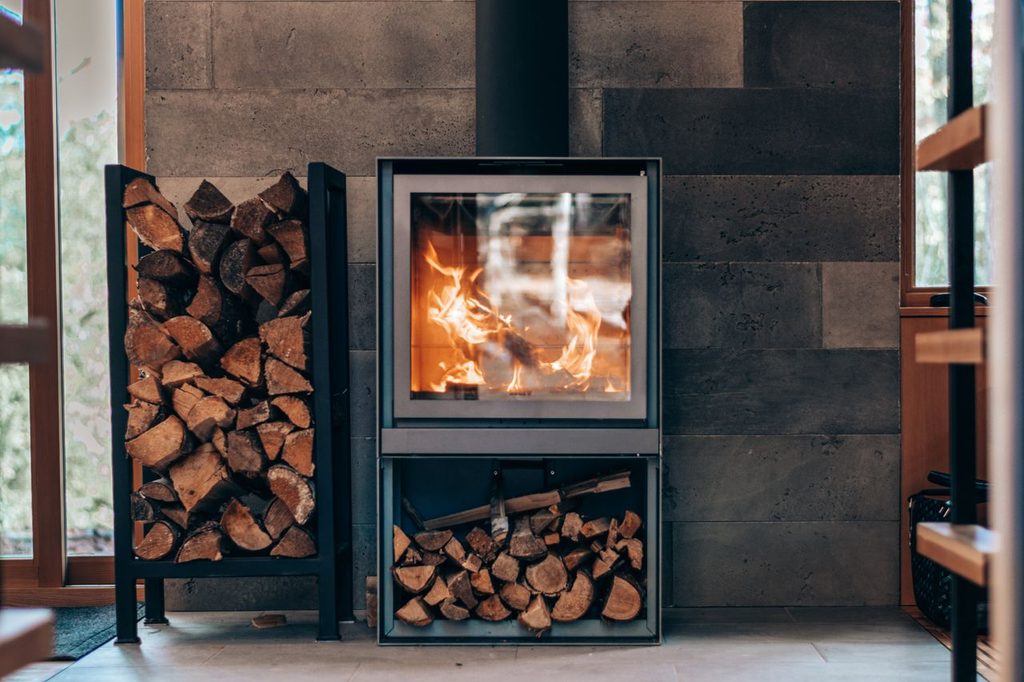
When temperatures start dropping across Washington, a wood-burning stove can turn a chilly house into a warm and comfortable home. But before that first fire of the season, it is worth giving the stove and chimney a little attention.
A quick inspection now can help you be prepared when the cold temperatures arrive. It can also identify small problems before they become expensive repairs—or, more importantly, a fire or carbon monoxide hazard.
🔎 Start With a Good Visual Inspection
Begin with the stove itself. Look for cracks, warping, corrosion, loose components, or other signs of damage. Pay particular attention to the firebox, door, hinges, and latch.
The door should close securely, and the gasket around the door should provide a good seal. A damaged or compressed gasket can allow excess air into the firebox, making the stove harder to control and potentially affecting how efficiently it burns.
Check the stovepipe as well. Look for rust, loose connections, damaged seams, or discoloration that could indicate excessive heat.
🧹 Don’t Forget the Chimney
A clean chimney is one of the most important parts of safe wood-stove operation. Creosote—a combustible byproduct of burning wood—can accumulate inside the chimney and increase the risk of a chimney fire.
If the chimney has not been inspected or cleaned recently, consider having a qualified chimney professional evaluate it before the heating season gets underway. This is especially important if the stove gets regular use or if the previous season involved frequent fires.
Also take a look at the chimney cap from the ground. It should be secure and free of obvious damage, while the area around it should not be obstructed by excessive vegetation.
🪵 Check Your Firewood
Good firewood makes a difference. Wood should be properly seasoned and sufficiently dry before it goes into the stove. Burning wet or unseasoned wood can produce more smoke and contribute to faster creosote buildup.
Store firewood off the ground and in a location where it is protected from excessive moisture while still allowing air circulation.
🏠 Take a Look Around the Stove
Make sure combustible materials, furniture, curtains, decorations, and stored items are kept a safe distance from the stove. Check that required clearances have not been compromised by renovations or changes to the room.
It is also a good time to test smoke alarms and carbon monoxide alarms throughout the home. Replace batteries as needed and make sure everyone in the household knows what the alarms mean.
A Little Preparation Goes a Long Way
A wood stove is a great source of supplemental heat, but it should be treated like any other combustion appliance: regular inspection and maintenance matter.
Taking a little time now to inspect the stove, chimney, surrounding area, and safety equipment can help prevent surprises when the first real cold snap arrives. For homes around Granite Falls and the surrounding Washington communities, preparing before the heating season is one simple way to head into colder weather with greater confidence—and a stove that is ready for the job.