
Tiny homes continue to grow in popularity, offering simplicity, affordability, and flexibility. While their smaller footprint can be appealing, inspecting a tiny home presents a distinct set of challenges that differ from traditional residential properties. Whether a tiny home is built on a permanent foundation or designed to be mobile, “tiny” does not mean “simple” when it comes to construction, safety, and long-term performance.
Building Codes and Compliance Considerations
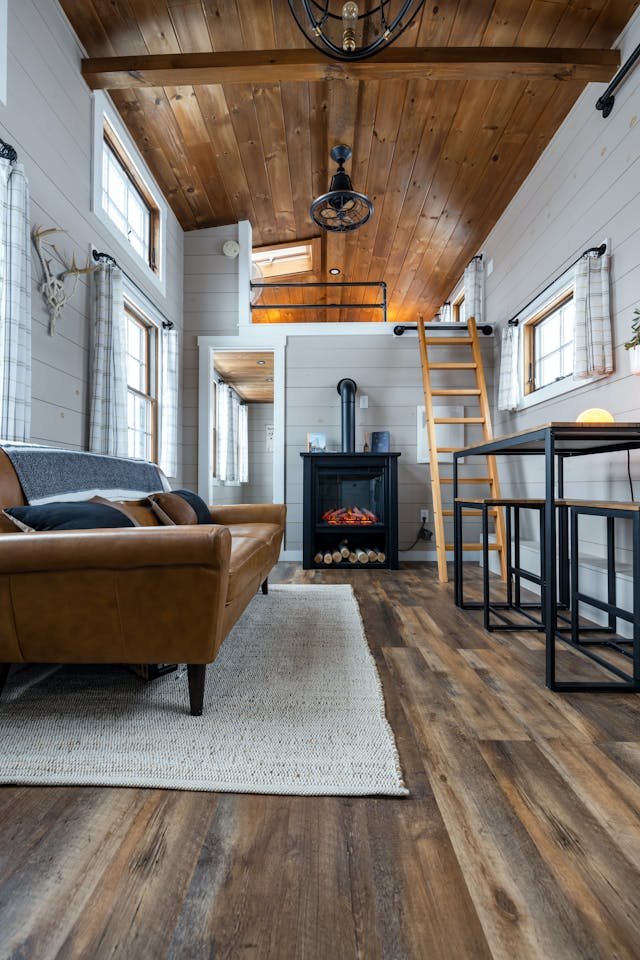
One of the first challenges that arises during a tiny home inspection is determining which building standards apply. Many tiny homes are custom-built and may not follow conventional residential construction codes. Some are constructed under recreational vehicle standards, while others fall into regulatory gray areas depending on how and where they are used. This can complicate evaluations related to safety, durability, and future resale. Owners should be clear on which standards their home was built under and how that impacts zoning, insurance, and financing.
Limited Access to Critical Systems
Space efficiency is central to tiny home design, but it often comes at the cost of accessibility. Plumbing, electrical, and mechanical systems are frequently concealed behind walls, cabinetry, or built-in furniture. These tight layouts can limit how thoroughly components can be evaluated during an inspection. When systems are difficult to access, minor issues may remain hidden until they develop into more serious concerns. Incorporating access panels and keeping detailed construction documentation can help mitigate this challenge.
Electrical and Plumbing Risks
Electrical systems in tiny homes require careful scrutiny. Compact spaces often concentrate electrical loads, and improper wiring practices can create fire hazards. Common concerns include undersized wiring, unconventional breaker setups, or inadequate grounding. Plumbing systems can present similar challenges, particularly when they rely on compact fittings, on-demand water heaters, or alternative waste systems. These setups should be evaluated for leaks, freeze protection, and long-term reliability.
Ventilation and Moisture Management
Moisture control is a critical issue in small living spaces. Tiny homes can accumulate humidity quickly, especially in kitchens, bathrooms, and sleeping lofts. Without proper ventilation, condensation may lead to mold growth, wood decay, and indoor air quality concerns. Effective exhaust fans, balanced airflow, and proper insulation are essential, particularly in regions with cooler temperatures or higher rainfall.
Structural Design and Durability
Structural integrity can vary widely among tiny homes. Lightweight framing, custom trailers, and creative design features can perform well when properly engineered. However, shortcuts in materials or fastening methods may result in movement, sagging, or premature wear. Regular inspections help identify these issues early, protecting both safety and long-term comfort.
Final Thoughts
Tiny homes can be thoughtfully designed, efficient, and enjoyable places to live, but they require careful evaluation and ongoing maintenance. Understanding the unique inspection challenges helps owners make informed decisions, protect their investment, and enjoy small-space living with greater confidence and peace of mind.