
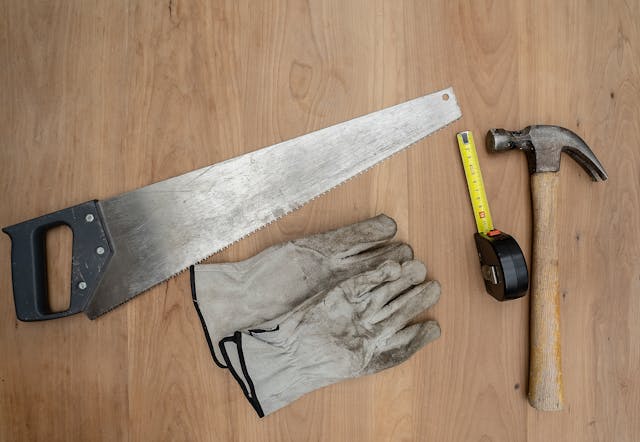
Every homeowner enjoys the satisfaction of fixing something without making a service call. Replacing a loose cabinet handle, patching a tiny hole in drywall, or unclogging a slow drain can feel productive, practical, and cost-effective. But there is a fine line between a manageable home task and a repair that quietly carries bigger risks behind the surface.
Understanding that difference can save money, protect the home, and prevent a simple weekend project from turning into a major repair bill.
The “Visible Problem” Rule
Many household issues appear smaller than they really are. A stained ceiling may seem like a paint issue when it is actually a slow roof leak. A flickering light could be a faulty bulb — or a wiring concern hidden inside the wall.
As a general rule, cosmetic repairs are often safe for homeowners to handle themselves. Painting, replacing weather stripping, tightening hardware, or changing air filters usually fall into the DIY category.
However, once a task involves electrical systems, plumbing lines, structural components, roofing, or anything hidden behind walls, caution becomes important. Homes rarely give dramatic warnings before damage spreads.
When Safety Should Decide
One of the clearest signs that a professional should be called is when personal safety becomes part of the equation.
Tasks involving ladders, electrical panels, gas lines, or heavy structural materials carry risks that are easy to underestimate. Even experienced homeowners can run into trouble when a repair requires specialized tools or technical knowledge.
Electrical work is a common example. Swapping a light fixture may be manageable for some, but repeatedly tripping breakers, warm outlets, or buzzing sounds should never be treated casually. Those symptoms can point to overloaded circuits or hidden wiring problems that need proper evaluation.
The same applies to plumbing. A dripping faucet may be straightforward, but low water pressure throughout the house, recurring leaks, or water stains often signal larger issues inside the system.
The Cost of Waiting Too Long
Many homeowners delay calling a professional because the issue seems minor or manageable “for now.” Unfortunately, homes tend to reward early action.
Small roof leaks become insulation damage. Tiny foundation cracks allow moisture intrusion. Poor ventilation quietly leads to mold growth in attics and crawl spaces.
One of the most expensive mistakes homeowners make is treating symptoms instead of causes. Covering a crack, repainting a stain, or resetting a tripped breaker may temporarily hide the issue without solving it.
A good rule of thumb is this: if the problem keeps returning, there is probably more happening beneath the surface.
Knowing Your Limits Is Smart Homeownership
There is nothing wrong with taking pride in maintaining a home personally. In fact, regular upkeep is one of the best ways to prevent larger repairs later on.
But experienced homeowners understand that knowing when not to DIY is just as valuable. Calling a qualified professional early can prevent damage, improve safety, and provide peace of mind that the repair was done correctly the first time.
The smartest approach is rarely about doing everything alone. It is about recognizing which jobs truly belong in capable hands.