
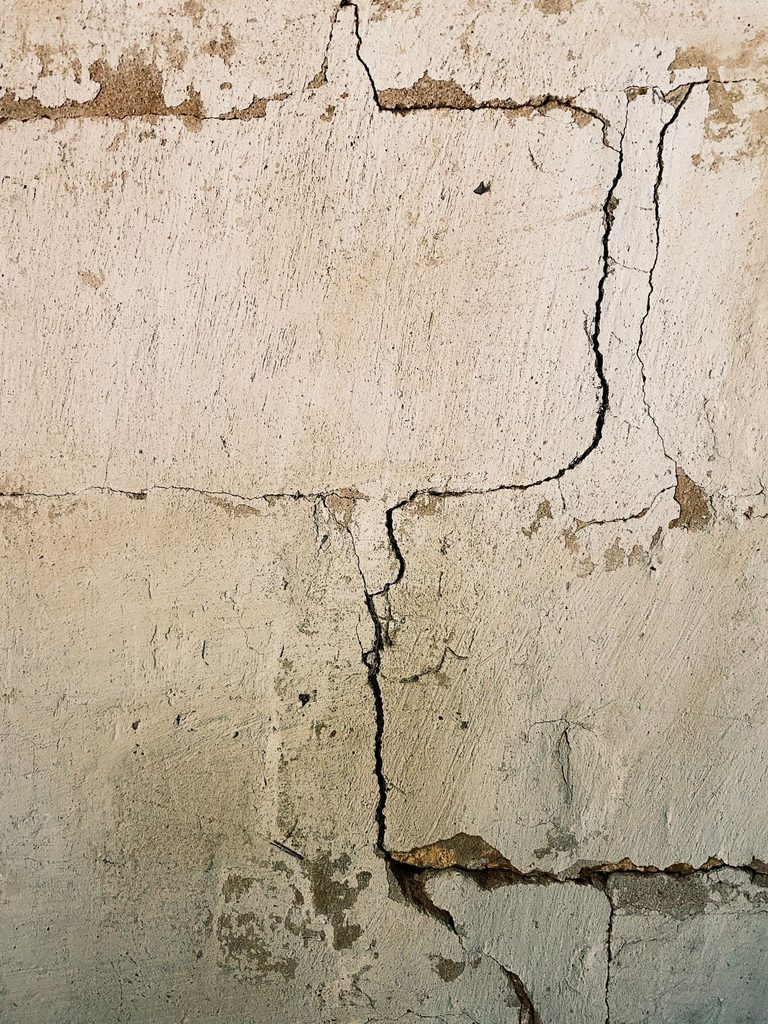
A home can look perfectly fine on the surface while quietly developing problems behind the scenes. In Northern Washington, where persistent rain, damp conditions, seasonal temperature changes, and shifting soils can all affect a property, knowing what to look for is especially important.
The good news? You don’t need to be a construction expert to spot potential warning signs. A quick look around your home can help you recognize when it might be time to call in a structural professional.
🔎 7 Warning Signs Worth Paying Attention To
1. Cracks That Keep Coming Back
Small hairline cracks in drywall are common and don’t automatically indicate a structural problem. However, cracks that widen over time, run diagonally from door or window corners, or appear in foundation walls deserve closer attention.
Tip: Photograph the crack and note the date. Changes over time can help a professional assess what’s happening.
2. Doors and Windows Suddenly Stick
Does a door rub against its frame, or has a window become difficult to open? Sometimes the cause is humidity or ordinary wear. When several doors and windows begin sticking around the same time, however, shifting or movement in the building may be worth investigating.
3. Floors Feel Sloped or Bouncy
A slightly uneven floor isn’t always a red flag, particularly in older homes. But noticeable new slopes, excessive bouncing, or areas that seem to sag may point to concerns with floor joists, beams, supports, or the foundation.
4. Your Foundation Shows Signs of Movement
Look for widening cracks, displaced sections, bowing basement walls, or concrete that appears to be shifting. These conditions shouldn’t be dismissed as cosmetic without further evaluation.
5. Moisture Keeps Finding Its Way Inside
Frequent rain makes water management a big deal in this region. Persistent dampness, standing water in a crawl space, wood rot, and recurring leaks can damage structural components over time.
Check that gutters and downspouts direct water away from the home, and watch for soil that slopes toward the foundation.
6. The Roofline Looks Uneven
A visibly sagging roofline, a dipping ridge, or ceiling areas that appear to droop may indicate trouble with roof framing or other supporting components. Have significant or changing deflection evaluated promptly.
7. Your Crawl Space Raises Questions
Many regional homes have crawl spaces that are easy to overlook. Deteriorated posts, damaged beams, leaning supports, and persistently wet wood can all signal potential structural concerns. Don’t crawl into an unsafe or wet space to investigate.
🏠 When Should You Call a Professional?
Consider a structural inspection if you notice multiple warning signs, changes that are progressing, damage following a storm or plumbing leak, or concerns during a home purchase or renovation.
A qualified home inspector can identify visible signs of concern and recommend further evaluation. A licensed structural engineer can assess load-bearing components, investigate movement, and provide engineering recommendations when needed.
Important: If a wall is bulging significantly, a major beam appears to be failing, or movement is sudden, keep people away from the affected area and seek urgent professional assistance.
The Bottom Line
Your home doesn’t have to look dramatically damaged to deserve attention. Catching changes early can help you understand the problem, prioritize repairs, and make informed decisions before minor concerns become more expensive ones.
When something looks different, feels unusual, or keeps getting worse, don’t simply paint over it and hope for the best. Get it checked out. A little attention today can make a real difference to your home’s long-term safety and stability.