
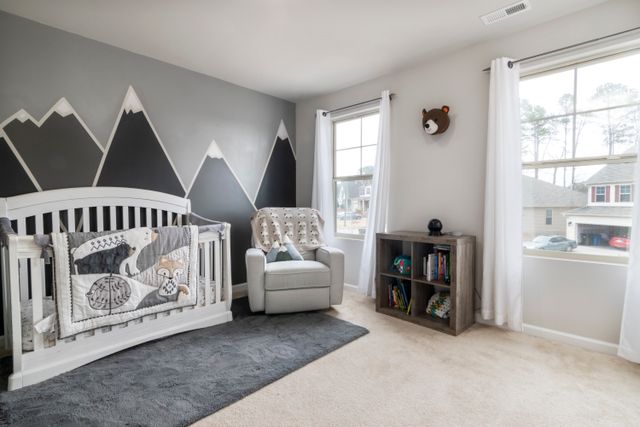
A nursery should be more than a charming place for a crib and changing table. It should also be a clean, comfortable part of the home with good ventilation, sound moisture control, and as few unnecessary environmental hazards as possible.
The good news is that creating a healthier nursery does not necessarily require major renovations. A careful look at the room, combined with a few sensible choices, can go a long way toward creating a better environment for a growing baby.
Pay Attention to Indoor Air Quality
Babies spend a considerable amount of time sleeping, so the quality of the air in the nursery matters. Before setting up the room, check that the heating and ventilation systems are functioning properly and that air vents are not blocked by furniture.
If the room has recently been painted or renovated, allow adequate time for new materials and finishes to air out. When possible, select paints, flooring, furniture, and adhesives marketed as low-VOC products.
Regularly replacing HVAC filters and keeping return-air grilles clean can also help reduce the amount of dust and airborne particles circulating through the home.
Look Closely for Moisture
Moisture deserves particular attention in any room intended for a baby. Water stains, peeling paint, musty smells, discoloured drywall, or persistent condensation around windows can indicate a moisture problem that should not be ignored.
Check around windows, exterior walls, ceilings, and plumbing fixtures for signs of past or ongoing water intrusion. In areas where humidity tends to remain elevated, using bathroom and kitchen exhaust fans properly and maintaining reasonable indoor humidity can help discourage mould growth.
If there is visible mould or evidence of a recurring leak, address the underlying moisture source rather than simply cleaning the affected surface.
Choose Nursery Materials Carefully
New furniture, mattresses, carpets, and other furnishings can introduce additional chemicals into indoor air. Whenever practical, look for products with recognised low-emission certifications and allow new items to air out before placing them in the nursery.
For flooring, washable area rugs can be easier to maintain than wall-to-wall carpeting. Whatever the choice, regular cleaning helps control dust, pet dander, and other particles that can accumulate indoors.
Keep Household Chemicals Out
Cleaning supplies, pesticides, paints, solvents, and other chemicals have no place in a baby’s living area. Store these products in a secure location away from the nursery, preferably in their original labelled containers.
It is also worth reconsidering heavily fragranced sprays, plug-ins, candles, and similar products. A nursery does not need to smell strongly of fragrance to be clean.
Don’t Forget the Rest of the Room
Environmental safety and general nursery safety go hand in hand. Keep the crib away from windows, blinds with accessible cords, radiators, fireplaces, and portable heaters. Secure tall furniture to the wall, cover accessible electrical outlets, and keep small objects out of reach.
A Few Simple Checks Can Make a Difference
A healthier nursery starts with the condition of the room itself. Look for moisture problems, maintain good ventilation, choose materials thoughtfully, and keep unnecessary chemicals and fragrances out of the space.
These simple measures can help parents create a nursery that is not only welcoming and comfortable, but also a healthier part of the home for those important early years.