
A home that has been sitting vacant for months—or even years—can look like an incredible opportunity. The price may be attractive, the location might be ideal, and at first glance, everything may appear to be in good condition. However, a property that has been unoccupied for an extended period often hides issues that only become apparent after someone begins living in it again.
Small Problems Can Become Big Ones
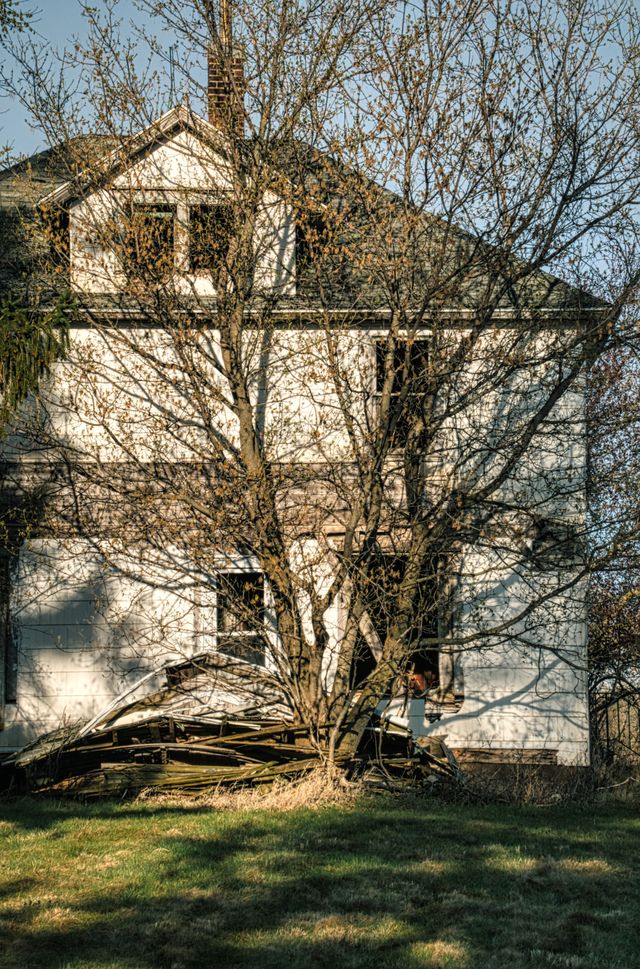
Homes are designed to be lived in. When nobody is there to notice a dripping faucet, a loose roof shingle, or a damp crawl space, minor maintenance concerns can quietly develop into expensive repairs. A tiny plumbing leak can lead to wood rot, mold growth, or structural damage long before it becomes visible inside the home.
Even something as simple as clogged gutters can cause water to back up, affecting siding, foundations, and landscaping over time.
Moisture Is a Persistent Threat
The Pacific Northwest’s climate makes moisture management especially important. Without regular heating, ventilation, and routine upkeep, vacant homes can develop excess humidity that encourages mold, mildew, and wood decay.
Basements, crawl spaces, attics, and areas around windows deserve careful attention. Stains, musty odors, or soft wood may indicate long-term moisture intrusion rather than a recent issue.
Systems May Not Perform as Expected
A home’s mechanical systems often deteriorate when they sit unused. Plumbing fixtures can develop leaks once water is restored, water heaters may have reached the end of their service life, and heating or cooling equipment may not operate reliably after extended inactivity.
Electrical systems can also present surprises. Rodents sometimes damage wiring inside walls, while older panels or neglected components may no longer meet today’s safety expectations.
Nature Doesn’t Take Vacations
Vacant homes frequently become attractive shelters for unwanted visitors. Rodents, insects, birds, and even larger wildlife can enter through surprisingly small openings. Their presence may leave behind damaged insulation, contaminated crawl spaces, chewed wiring, or blocked vents.
Outside, overgrown vegetation can conceal grading issues, damaged siding, deteriorated decks, or roof problems that deserve closer evaluation.
Look Beyond Cosmetic Improvements
Fresh paint, new flooring, and updated fixtures can dramatically improve appearance, but cosmetic updates should never replace a careful evaluation of the home’s condition. Attractive finishes can sometimes draw attention away from aging roofs, failing foundations, moisture damage, or deferred maintenance.
A thorough inspection provides valuable insight into the property’s overall health, helping buyers distinguish between routine repairs and significant concerns that could affect future ownership costs.
Knowledge Leads to Better Decisions
Buying a long-vacant property doesn’t automatically mean trouble. Many neglected homes become outstanding investments with the right planning and realistic expectations. Understanding the condition of the structure, major systems, and moisture management before closing helps reduce unexpected expenses and supports confident decision-making.
An informed buyer is always in a stronger position to negotiate repairs, budget for improvements, and move forward knowing exactly what the property is likely to require in the years ahead.