
Walk into an older home and sometimes there it is—that unmistakable “old house smell.” It will generally be described as stale, musty, earthy, or simply old. While many people assume it is just part of living in a home with history, that lingering odor is rarely caused by age alone. In most cases, it is a sign that conditions inside the home deserve a closer look.
It Isn’t the House’s Age
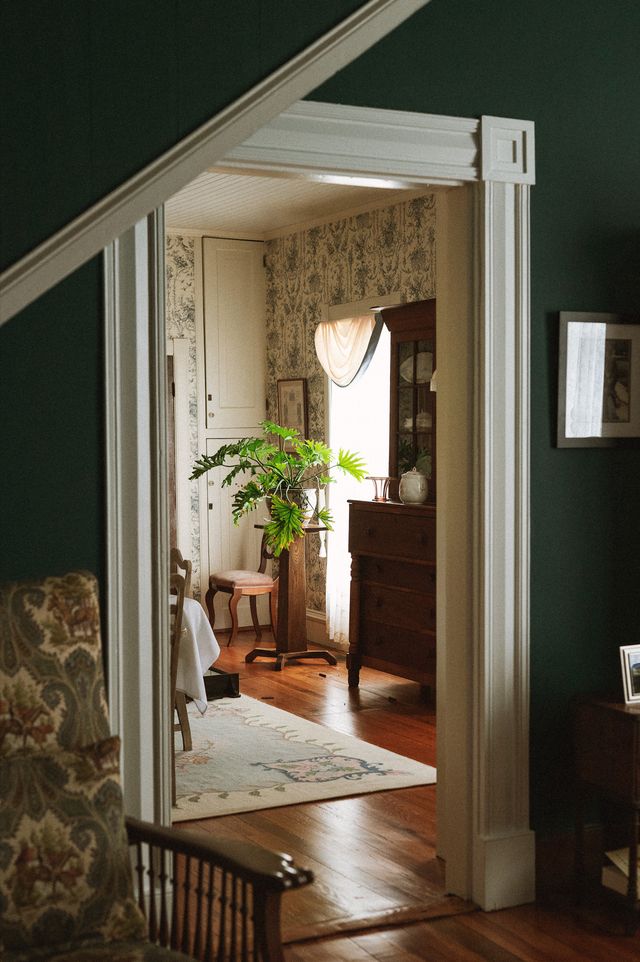
A common misconception is that buildings naturally develop a permanent smell over time. In reality, the materials used to build a home do not simply begin producing odors because they are old. Instead, that familiar scent usually develops from years of trapped moisture, limited ventilation, accumulated dust, and organic materials slowly breaking down.
Older homes often have multiple small issues working together, creating an odor that becomes stronger over time.
Moisture Is Usually the Biggest Contributor
If there is one factor that consistently plays the largest role, it is moisture. Crawl spaces, basements, attics, and even wall cavities can hold elevated humidity without obvious signs of water damage. When moisture lingers, wood, insulation, drywall, and other building materials can absorb it, creating the perfect environment for mildew and mold growth.
The odor may be the first noticeable clue long before visible staining or deterioration appears.
Years of Everyday Living Add Up
Every home collects dust, pet dander, cooking residue, smoke particles, and other airborne contaminants. Over decades, these particles settle into carpeting, upholstery, woodwork, insulation, and even HVAC systems.
Without regular ventilation and periodic deep cleaning, those materials continue absorbing odors until the entire home develops a stale atmosphere.
Poor Airflow Makes Everything Worse
Many older homes were built differently than modern houses. While some are surprisingly drafty, others have areas where air circulation is limited. Closed windows, blocked vents, packed storage areas, and infrequently used rooms allow stale air to linger.
When fresh air cannot circulate effectively, moisture and odors become trapped, making the smell much more noticeable.
Sometimes Hidden Problems Are Involved
Persistent odors can occasionally point to issues that are not immediately visible. Slow plumbing leaks, damp crawl spaces, roof leaks, deteriorating insulation, or inadequate drainage around the foundation may all contribute to excess moisture. In some situations, pests can also leave behind odors that become embedded in building materials.
Finding the actual source is far more effective than masking the smell with air fresheners or scented candles.
A Fresh-Smelling Home Starts With the Cause
Eliminating an old house smell is rarely about covering it up. The lasting solution is identifying why the odor exists in the first place. Improving ventilation, controlling moisture, repairing leaks, cleaning contaminated materials, and maintaining proper humidity levels can make a remarkable difference.
An older home should reflect character and craftsmanship—not stale air. When that familiar smell begins to stand out, it is often the home’s way of signaling that something behind the scenes deserves attention. Addressing those underlying conditions not only creates a fresher indoor environment but can also help preserve the home’s structure for years to come.