
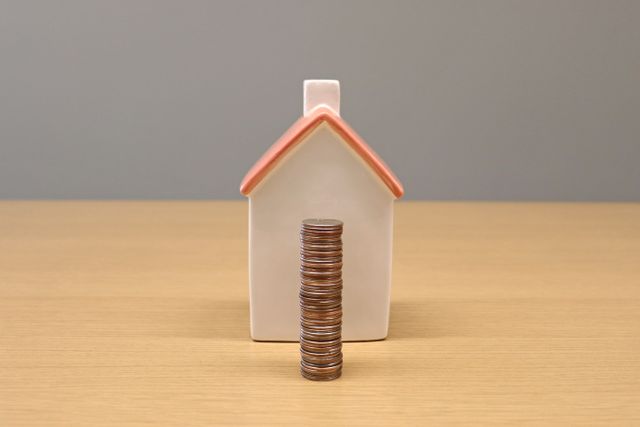
Buying a home is an exciting milestone, but the monthly mortgage payment is only part of the financial picture. Many first-time homeowners are surprised to discover that owning a property comes with a variety of ongoing expenses that can add up over time. Understanding these costs in advance can help prevent unexpected financial stress and make homeownership far more enjoyable.
Beyond the Mortgage
When budgeting for a home, it is important to look beyond the loan payment. Property taxes and homeowners insurance are often significant recurring expenses. Depending on the location and value of the property, these costs can increase over time, making it wise to review them annually and build some flexibility into the household budget.
Routine Maintenance Matters
Every home requires regular care. Gutters need cleaning, HVAC systems need servicing, and exterior surfaces may need repainting or sealing. These tasks are easy to overlook, but routine maintenance helps prevent larger and more expensive problems down the road.
A good rule of thumb is to set aside money each month specifically for maintenance and repairs. Even newer homes benefit from ongoing upkeep, as no property is completely maintenance-free.
Utilities Can Be a Surprise
New homeowners are often focused on purchase costs and may underestimate monthly utility expenses. Electricity, water, sewer, natural gas, internet service, and waste collection can represent a sizable portion of the household budget.
Utility costs can vary significantly depending on the home’s size, age, efficiency, and local rates. Older homes, in particular, may have higher heating and cooling costs if insulation or mechanical systems are outdated.
The Inevitable Repair Fund
No home component lasts forever. Water heaters, appliances, roofing materials, plumbing fixtures, and heating and cooling equipment all have limited service lives. While these systems may function perfectly today, eventual replacement should be expected.
Creating a dedicated repair fund can make these larger expenses much easier to manage. A surprise furnace replacement is far less stressful when money has already been set aside for future repairs.
Landscaping and Exterior Care
The outside of a home requires attention too. Lawn care, tree trimming, irrigation maintenance, pest control, and seasonal cleanup can become recurring expenses. Even homeowners who prefer to handle these tasks themselves should budget for equipment, materials, and supplies.
Keeping the exterior well-maintained not only improves curb appeal but also helps protect the property’s value.
Planning for the Unexpected
Weather events, water leaks, storm damage, and other unforeseen issues can occur without warning. While insurance may cover certain losses, deductibles and uncovered repairs can still create unexpected costs.
Having an emergency reserve provides peace of mind and helps homeowners respond quickly when problems arise.
A Smarter Approach to Homeownership
A home is one of the most significant investments many people will ever make. By preparing for ongoing expenses—including maintenance, utilities, repairs, insurance, taxes, and exterior upkeep—new homeowners can avoid unpleasant surprises and enjoy their property with greater confidence.
The most successful homeowners are not necessarily those who spend the least, but those who plan ahead. A realistic budget and a proactive maintenance mindset can go a long way toward protecting both the home and the investment it represents.