
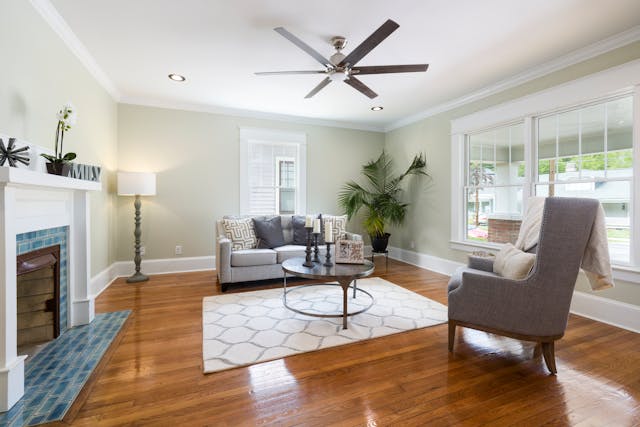
Walk into a home that feels fresh, balanced, and comfortable, and you’ll notice something right away—even if you can’t quite name it. The air feels lighter, the rooms make sense, and there’s a natural flow from one space to the next. More often than not, that feeling comes down to two overlooked factors: light and layout.
These aren’t just design preferences. They directly influence how a home performs, ages, and even how healthy it is for the people living inside.
Natural Light: More Than Just Aesthetic
Natural light does more than brighten a room—it plays a critical role in maintaining a healthy indoor environment. Sunlight helps regulate moisture levels, which is especially important in areas prone to dampness. Rooms that receive consistent daylight are less likely to develop mold or mildew, two common issues that can quietly damage both materials and indoor air quality.
Homes with limited light exposure—particularly in bathrooms, basements, or north-facing rooms—tend to hold onto moisture longer. Over time, this can lead to peeling paint, warped materials, and musty odors that are often dismissed until they become bigger problems.
Maximizing daylight isn’t always about adding more windows. Sometimes it’s as simple as keeping existing windows unobstructed, using reflective surfaces, or choosing lighter interior finishes to help distribute light more effectively.
Layout and Airflow: The Hidden Circulation System
A home’s layout determines how air moves through it. Good airflow helps control temperature, reduces humidity, and prevents stale air from settling in certain areas. When rooms are closed off or poorly connected, airflow becomes restricted—and that’s when problems start to build.
You might notice it as uneven temperatures, lingering odors, or areas that always feel slightly damp. In many cases, the root issue isn’t the heating or cooling system—it’s the way the space is arranged.
Open pathways, strategically placed vents, and even the positioning of doors can make a noticeable difference. Homes that allow air to circulate naturally tend to stay drier, cleaner, and more comfortable year-round.
The Connection Between Layout and Daily Use
A well-thought-out layout also encourages better daily habits, which indirectly support the home’s condition. For example, an entryway that allows space for wet shoes and coats can prevent excess moisture from being tracked through the house. A functional kitchen layout improves ventilation during cooking, reducing grease buildup and humidity.
When spaces are intuitive and easy to use, people are more likely to maintain them properly. That alone can extend the life of materials and reduce wear and tear.
Small Changes, Lasting Impact
Improving light and layout doesn’t always require major renovations. Start by observing how your home feels throughout the day. Which areas stay dark? Where does air seem to stagnate? Small adjustments—like rearranging furniture, adding mirrors, or using a fan to improve circulation—can make a meaningful difference.
A healthy home isn’t just about what’s behind the walls. It’s shaped by how light enters, how air moves, and how spaces are used every day. Paying attention to those details can help prevent issues before they start—and make your home a better place to live in the process.