
Living with pets brings energy, companionship, and plenty of joy into a home. Along with the fun, however, comes a unique set of maintenance challenges. From fur-covered floors to scratched surfaces and lingering odors, homes with pets often require a little extra attention to stay clean, safe, and in good condition. Fortunately, with consistent upkeep and a few practical habits, maintaining a pet-friendly home can be simple and manageable.
Flooring Care and Protection
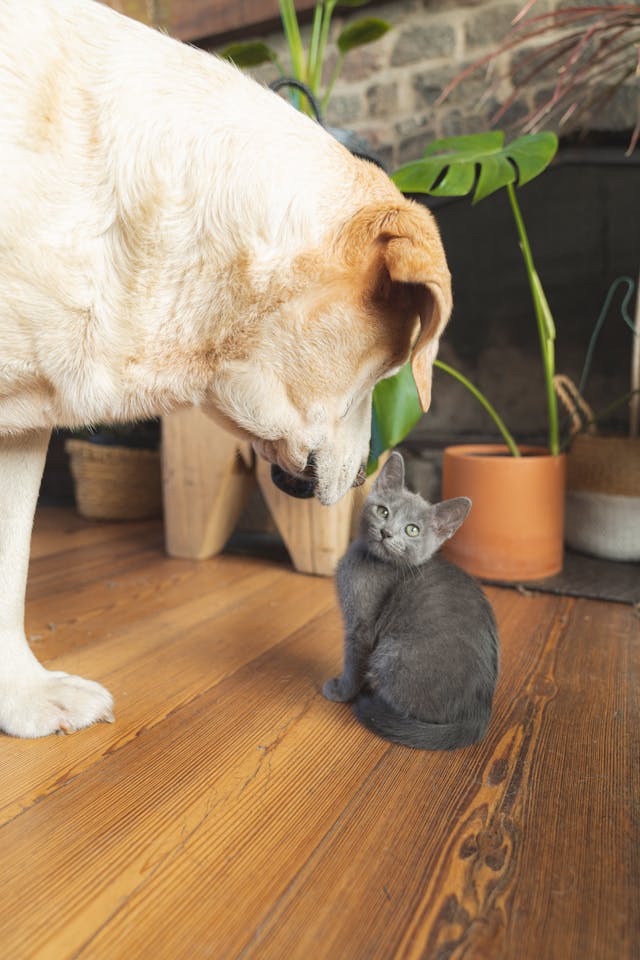
Floors tend to experience the most wear in homes with pets. Claws can leave scratches on hardwood, laminate, and even some vinyl surfaces. Over time, dirt tracked in from outdoors can also dull finishes and grind into flooring materials.
Regular sweeping and vacuuming help prevent debris from causing damage. Pet owners often benefit from using entry mats near doors and keeping pet paws clean after outdoor play. For hardwood flooring, occasional refinishing or the use of protective area rugs in high-traffic zones can greatly extend the life of the surface.
Carpeted areas require even more frequent vacuuming. Pet hair and dander accumulate quickly and can become embedded deep within carpet fibers. Using a vacuum designed for pet hair and scheduling periodic professional carpet cleaning helps maintain both cleanliness and indoor air quality.
Air Filters and Ventilation
Pets contribute to indoor dust, dander, and hair that circulate through a home’s heating and cooling system. This buildup can clog air filters faster than expected and reduce airflow efficiency.
Replacing HVAC filters more frequently—often every one to two months in pet-heavy homes—helps keep systems running smoothly. Clean filters also improve air quality, which benefits both residents and pets.
Air vents and return registers should also be checked periodically. Pet hair can collect around them and reduce system performance if left unchecked.
Managing Odors and Moisture
Even the most well-trained pets can introduce odors into a home. Pet beds, litter boxes, and accident-prone areas are common sources.
Routine washing of pet bedding, blankets, and removable furniture covers goes a long way toward maintaining freshness. Hard surfaces should be cleaned with pet-safe products to prevent lingering smells. Carpets or upholstery affected by accidents should be cleaned promptly to avoid permanent staining or odor absorption.
Moisture is another consideration. Water bowls, aquariums, and frequent pet bathing can increase humidity levels in certain areas. Keeping these spaces dry and well ventilated helps prevent mold, mildew, or flooring damage.
Walls, Doors, and Trim
Scratches, scuffs, and chew marks frequently appear on baseboards, door frames, and lower wall surfaces. These areas are particularly vulnerable to energetic pets or curious puppies.
Periodic touch-up painting and sealing minor damage helps maintain the home’s appearance. Protective corner guards or scratch-resistant finishes can also help reduce long-term wear in high-contact areas.
Outdoor Maintenance
Yards and outdoor spaces often need attention as well. Digging, worn grass paths, and fence damage are common in homes with active pets. Regularly inspecting fencing, repairing holes, and reseeding damaged lawn areas keeps outdoor spaces both safe and attractive.
A home with pets will naturally show signs of daily activity, but consistent maintenance keeps small issues from becoming larger problems. With a few preventative habits and routine checks, a pet-friendly home can remain clean, comfortable, and well cared for for years to come.