
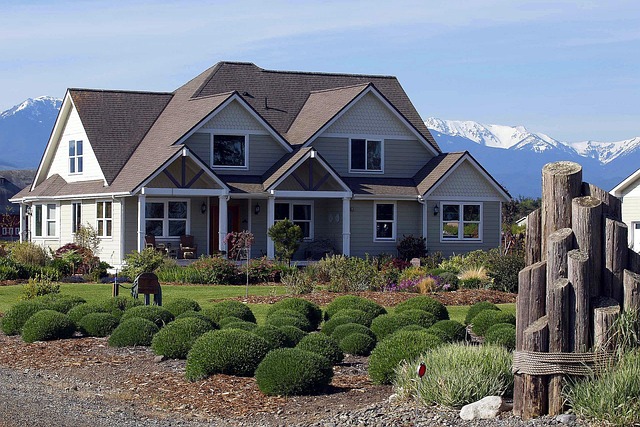
When evaluating a property, the surrounding climate plays a far greater role than many homeowners and buyers realize. Weather patterns and regional environmental factors can influence not only how a home ages but also how an inspector approaches the assessment. Understanding these influences can help you better anticipate concerns, prepare for an inspection, and protect your investment.
Moisture: The Most Persistent Challenger
In regions that experience frequent rainfall or extended damp seasons, moisture becomes a central focus during a home inspection. Persistent humidity and wet conditions can affect siding, roofing, foundations, and crawl spaces. Inspectors look closely for signs of water intrusion, fungal growth, deteriorated wood, and compromised ventilation systems. Even small issues—such as clogged gutters or poor grading—can cause significant long-term damage if not addressed promptly.
Basements and crawl spaces often require particular attention in damp climates. High groundwater levels or insufficient drainage can lead to standing water, elevated humidity, and structural concerns. A thorough inspection will often include moisture readings, ventilation checks, and evaluations of vapor barriers or drainage improvements.
Temperature Fluctuations and Material Stress
Areas with distinct seasonal changes experience shifts that can place consistent stress on building materials. Repeated cycles of freezing and thawing can impact exterior surfaces, driveways, roofing materials, and foundations. Inspectors watch for cracking, shifting, and separation in these areas, as well as changes in the performance of windows and doors.
Insulation and energy efficiency also come under greater scrutiny in climates with cold winters or hot summers. Inspectors examine attics, walls, and mechanical systems to determine whether the home is retaining heat properly, managing air flow, and avoiding conditions that promote condensation.
Wind, Storms, and Exterior Durability
Homes exposed to heavy windstorms, coastal gusts, or seasonal tempests require durable exterior components. An inspection will typically include a close look at roofing attachments, flashing, siding condition, and the overall integrity of the building envelope. Loose shingles, insufficient anchoring, and worn sealants can become weaknesses in a storm-prone environment.
Trees and vegetation also play a role. Branches that overhang the home, root systems that threaten foundations, and debris accumulation can all pose risks heightened by local storm conditions.
Soil Conditions and Ground Stability
Climate strongly influences soil composition and behavior. Wet climates can contribute to erosion or soil settlement, while dry seasons may lead to ground shrinkage or shifting. These conditions affect foundations, retaining walls, and drainage systems. Inspectors evaluate how well the home is managing ground movement and whether landscaping or structural features require reinforcement.
Conclusion
Climate is not just a backdrop to a home inspection—it actively shapes how a house ages and how an inspector evaluates it. By understanding the local environmental factors at play, homeowners and buyers can better prepare for an inspection and make informed decisions about maintenance, repairs, and long-term stewardship of the property.